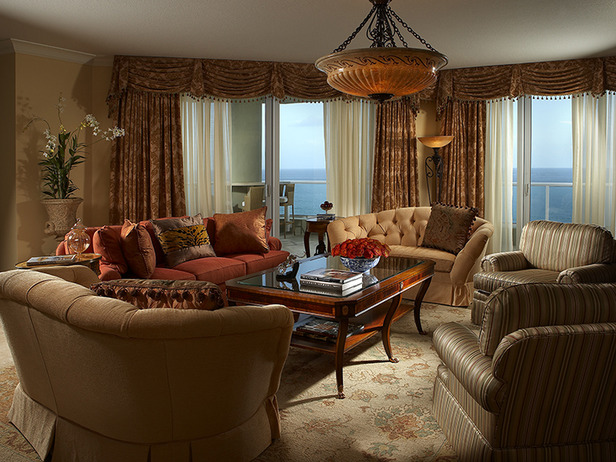

If you are buying living room furniture, you need to research well and ensure that you are buying only quality furniture Buffalo NY. You must also make sure that you focus on quality and not on price. Of course, your budget is an important consideration, but you also need to buy something that would really be able to give you value for your money. This means that you have to buy something that can provide the best possible quality within whatever budget that you may have. Consequently, buying lesser items of high quality instead of more items of low quality is always better. Good quality would certainly be durable enough. Therefore, you would not have to face a purchase for furniture Buffalo NY twice in a year.
There are many great furniture stores in Buffalo that would be providing you with good quality furniture. However, if you come to the Atlantic Bedding and Furniture Store, you would find excellent quality and that too at affordable prices. The best way to find the greatest living room furniture is to look at the amount of comfort you would be getting from it. If it’s made of high quality, available at a reasonable price and is very comfy as well, you must not be giving things a second thought. More info available at www.abfbuffalo.com
Tips for buying good living room furniture Buffalo NY
- Get living room furniture custom made- most of the people do not identify well with the mass produced furniture varieties. They are quite similar to each other and you never know if they would really be able to meet the unique needs of your house. If such is the case, better get the living room furniture custom made. If you are clear about what you need and can spend a little more time and money in the furniture, this can be a great option. However, you are advised to do so only when you have proper knowledge of woods and the specific designs that you want.
- Quality comes first, always- remember that there is no way in which you should be compromising with the quality of the furniture Buffalo NY. You might need 4 pieces of furniture and your budget allows them to be of a certain quality. Buy those 4 as they are the best deals that you would be able to get. Don’t go on and buy 6 pieces of furniture just because they were available at a heavy discount. Remember, marketing gimmicks should not be affecting the purchase decision that you make. If something is available for a lower price, there is a good reason behind it. Therefore, focus on quality at all times.
- After purchase is important- so, you went to the furniture store and got a fabulous set of furniture Buffalo NY for a good price. That’s great for sure. However, did you notice that the upkeep of this kind of furniture is so difficult? Don’t make wrong decisions and ask questions at the furniture stores about the upkeep and maintenance of the furniture as well.